


Last Updated: October 30, 2026
Quick Summary
Yes, a mermaid nursery is worth choosing because sea-inspired colors feel calm, gentle, and dreamy. Most rooms work best with one soft base color, one or two accents, and a gentle warm touch. Light aqua or soft blue usually makes a strong base for the main walls.
- Pick a light blue or aqua for the largest wall
- Test two or three paint samples side by side
- Use seafoam, teal, or green as accent colors
- Choose only one warm accent: blush, coral, or lavender
- Check paint samples in daylight and under lamplight
Table of Contents
Mermaid nurseries have become one of the most loved themes for expecting parents, and the paint on the walls sets the mood before any decor goes up. A soft, sea-inspired palette can shape the feel of a room. Choosing the right colors is the foundation of a mermaid nursery.
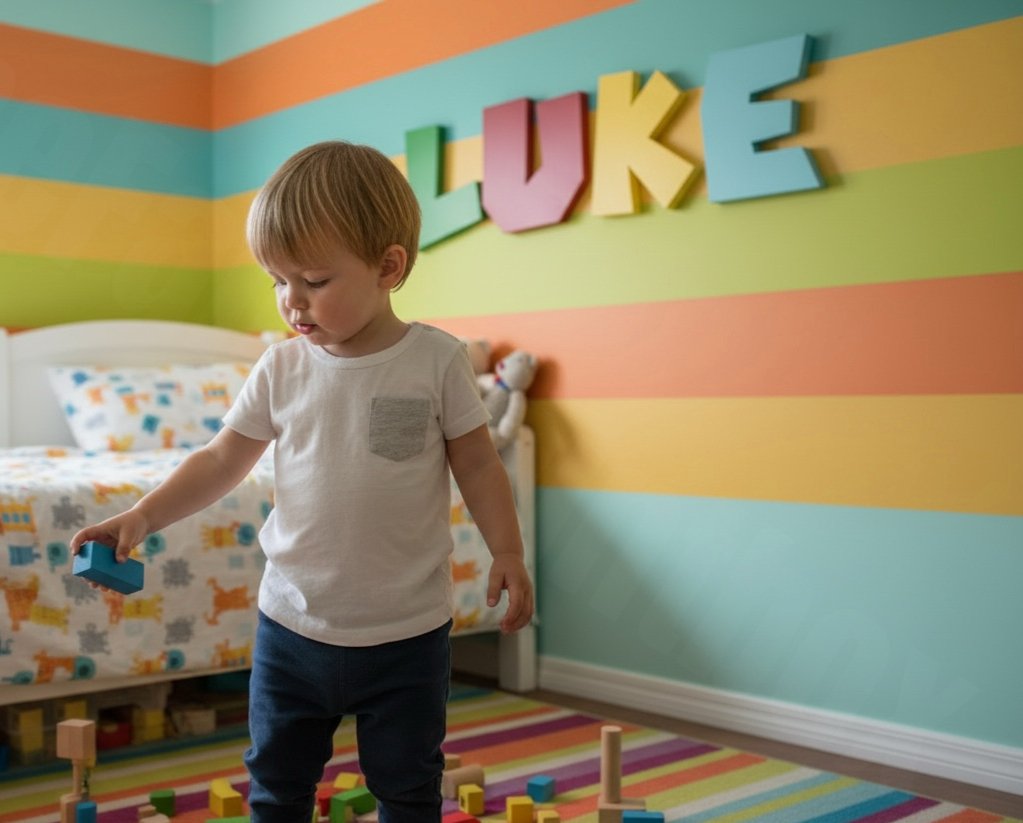
A mermaid theme works because it borrows colors from the ocean. Those colors tend to feel calm, gentle, and dreamy, which suits many people's idea of a restful room.
The good news is that you do not need a dramatic look. Most mermaid nurseries rely on a small set of colors that work together. Start with a base color, add one or two accents, and keep the rest of the room soft.
Soft Blues and Aqua as Your Base Color
Soft blue and aqua are the most common base colors for a mermaid nursery. They look like shallow water and create a fresh, airy feel. Light tones also tend to brighten a room.
When you test paint, look at the sample in daylight and again under lamplight. Aqua can shift toward green or gray depending on the room. A slightly warmer aqua often feels cozier, while a cooler blue feels more like open water.
Lighter tones are often a better fit for the main walls of a small nursery.
- Pick a light blue or aqua for the largest wall
- Test two or three samples side by side
- Check how each one looks at night
Seafoam, Teal and Green Accents That Feel Ocean-Born
Seafoam, teal, and soft green work well as accents. Use them on one wall, a window frame, or a built-in shelf. These shades feel natural and help tie the room to the sea without overwhelming it.
Accent colors should be a step darker than the base, not a sharp contrast. This keeps the room balanced and calm.
- Use seafoam on one accent wall
- Paint trim or shelving in teal
- Add green through textiles like rugs or pillows
Blush, Coral and Lavender for a Softer Mermaid Scheme
If you want a softer look, blush, coral, and lavender add warmth. Pink and coral suggest seashells and sunsets, while lavender feels like a dreamy, pastel sky. These shades pair well with white and sandy neutrals.
Use these colors in small amounts. A blush accent or coral trim adds interest without making the room feel too sweet.
- Choose one warm accent: blush, coral, or lavender
- Keep warm accents to smaller surfaces
- Balance them with cool aqua or white
Gender-Neutral Mermaid Palettes That Work for Any Baby
Mermaid Ocean Nursery Decor Painted Wall Letters →
Many parents want a mermaid nursery that suits any baby. Gender-neutral palettes rely on sea-inspired tones like seafoam, soft sand, and pale grey instead of strong pinks or blues.
This approach gives you a timeless base. You can then add personal touches later, such as a name sign or a themed print, without repainting the room.
Pairing Paint With Mermaid Nursery Wall Decor
Paint sets the stage, and wall decor completes the look. Painted wood letters can spell out a baby's name in colors that match your palette. Choose a design that picks up one of your accent shades so the pieces feel connected to the walls.
Our Mermaid Ocean Nursery Decor Painted Wall Letters bring sea-life details into the room and suit an aqua-based scheme. For a finished accent, the Pearl Mermaid Painted Wood Wall Letters work with soft blue and teal walls.


Planning Your Mermaid Nursery Paint Project
Good planning saves time and money. Measure each wall, then order sample pots before buying full cans. Paint a large test patch on two walls and leave it up for a few days.
Prepare the walls by cleaning them and filling any holes. Use a primer when you change to a much darker color. Plan to paint the ceiling and trim before the walls so drips do not ruin your work.
If you are unsure where to begin, read our guide on how to choose nursery wall colors before committing to a full repaint. It walks through each step in more detail.
Choosing Your Mermaid Palette and Next Steps
Keep your palette simple: one soft base, one accent, and one warm touch. Test each color in your real room, then decide what feels calm to you. Start with the walls, then add mermaid wall letters and prints that match.
When your palette is set, shop our mermaid-themed pieces to finish the room. Get started with Painted wood letters to create a personalized nursery that feels like a quiet ocean retreat.
Frequently Asked Questions
What colors work best for a mermaid-themed nursery?
Soft blues, aqua and seafoam green are the most common base colors for a mermaid nursery, because they read as water without feeling heavy. Pairing one of these with white or a warm sandy neutral keeps the room bright. Blush or coral accents add a touch of mermaid-tail warmth. Test each shade on the actual wall at different times of day, since lighting changes how blue and green paint looks.

How do you create a mermaid theme without making a nursery feel too busy?
Choose one dominant paint color and limit the accents to two or three supporting shades. Let a single feature element, such as one wall or a set of wall letters, carry most of the mermaid theme. Keep the rest of the room in white or warm neutrals so the eye can rest. Fewer, larger pieces usually look more intentional than many small decorations spread across the room.
Is teal or seafoam green better for a mermaid nursery?
Teal feels deeper and more dramatic, while seafoam is lighter and softer, which suits most newborn rooms. Seafoam is usually the safer choice for a main wall because it stays calm in low light. Teal works well as an accent or on a single wall if the room gets plenty of natural light. Compare both samples side by side before deciding.
How can I add mermaid colors to a gender-neutral nursery?
Stick to aqua, seafoam and soft sandy neutrals rather than strongly pink or purple tones. Use blush or lavender only in small accents, such as a few decor pieces, so the room stays balanced. Mermaid and sea-life motifs in these shades feel suitable for any baby. Ocean palettes naturally lean gender-neutral, which makes them a practical choice for families who want to wait before choosing.
