

Table of Contents
- What Affects Custom Nursery Art Turnaround Time
- Understanding the Full Custom Nursery Art Order Timeline
- How to Order Custom Nursery Art and Plan Your Timeline
- Rush Orders and Deadline Planning
- Factors That Delay Custom Nursery Art Orders
- Verifying Turnaround Estimates Before You Order
- Frequently Asked Questions
Last Updated: October 21, 2026
What Affects Custom Nursery Art Turnaround Time
Understanding custom nursery art turnaround time depends on several interconnected factors working together. Understanding what influences each stage helps you plan realistically and avoid last-minute stress.
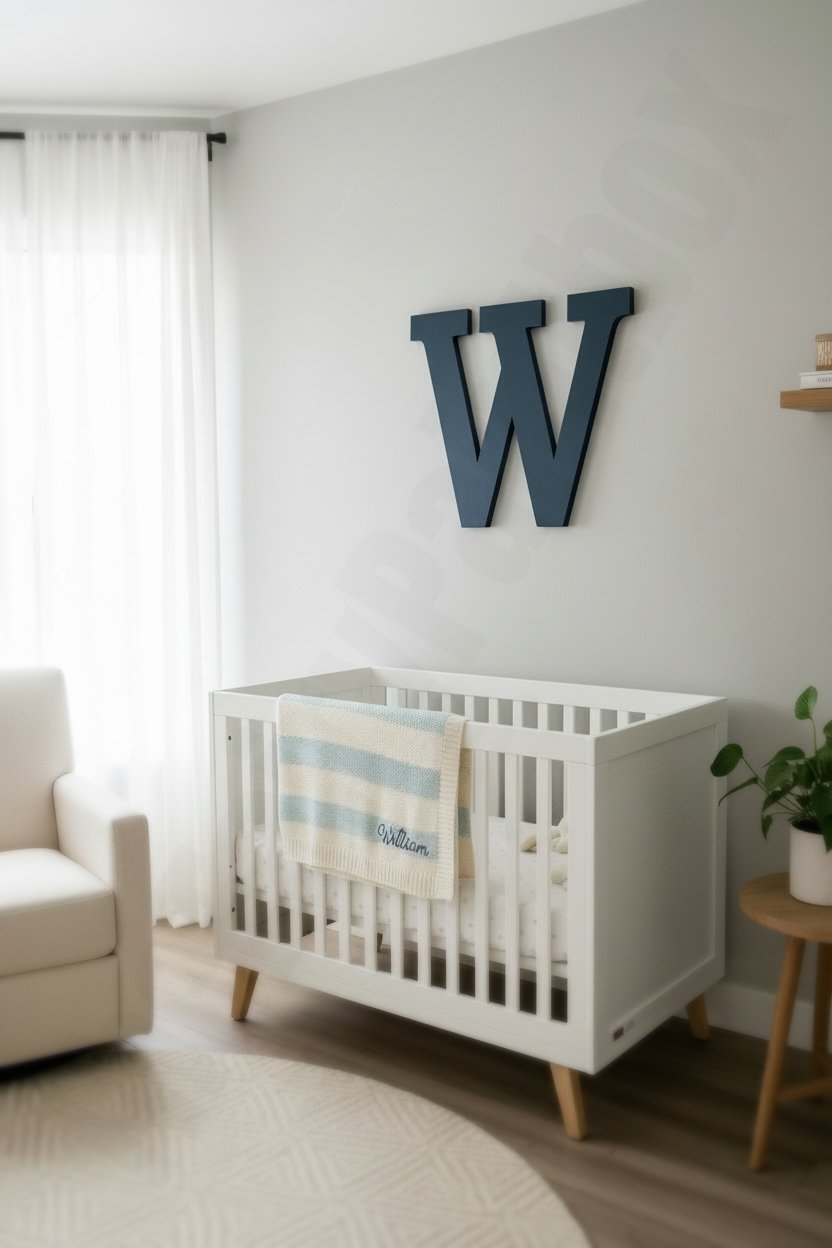
The biggest variables are design complexity, artist workload, and your chosen format. A simple one-letter design moves faster than an intricate multi-character piece with custom illustrations. During peak seasons (spring and early summer), artists juggle more orders, which naturally extends timelines. Whether you want a digital download, paper print, or hand-painted wooden letters also changes how long production takes.

At Painted wood letters, we've found that the orders with the smoothest timelines are those where customers understand these factors upfront. You'll see a real difference between rush and standard requests. The better you understand what's happening behind the scenes, the easier it is to plan your nursery around your actual delivery date.
Here's what typically influences your timeline:
- Design complexity and custom details
- Current artist schedule and order volume
- Your chosen format (digital, print, or hand-painted)
- Proof revision rounds and approval speed
- Shipping destination and method
- Whether you need rush processing
Understanding the Full Custom Nursery Art Order Timeline
Most sellers quote a single number, 'ships in two weeks', but that number rarely covers the whole journey from your order to your door. The clearest way to plan is to break the process into six stages and assign a realistic duration to each. The stages below reflect common practice among custom nursery art sellers; your specific seller's estimate may differ, so always confirm each stage with them before ordering.
Stage 1: Order Processing and Queue Placement
After you place your order, the seller logs it and places it in their production queue. This stage is often invisible to buyers but can take one to three business days, longer during peak seasons such as spring and early summer when many families are preparing nurseries. If the seller is booking weeks out, this is where that backlog shows up.
Stage 2: Design and Initial Proof
Once your order reaches the top of the queue, the artist creates the initial design and sends a proof. For simple name signs or monograms, this often happens within two to five business days. For fully custom illustrations or multi-element designs, expect closer to one to two weeks. Digital-only products can move faster because there is no physical production to schedule.
Stage 3: Your Proof Review and Revision Rounds
This is the stage buyers control most directly. A prompt review, ideally within one to two business days, keeps the project moving. Each revision round typically adds two to five business days, depending on the seller's queue. Most sellers include one or two revision rounds in the base timeline; additional rounds may extend it. If you need color changes, spelling corrections, or layout adjustments, batch your feedback into a single response rather than sending comments piecemeal.
Stage 4: Production
Production time varies sharply by format:
- Digital files: Often delivered within hours to one business day after proof approval.
- Paper prints: Typically one to three business days at a print facility, plus handling.
- Canvas prints: Similar to paper, often two to five business days depending on the printer's schedule.
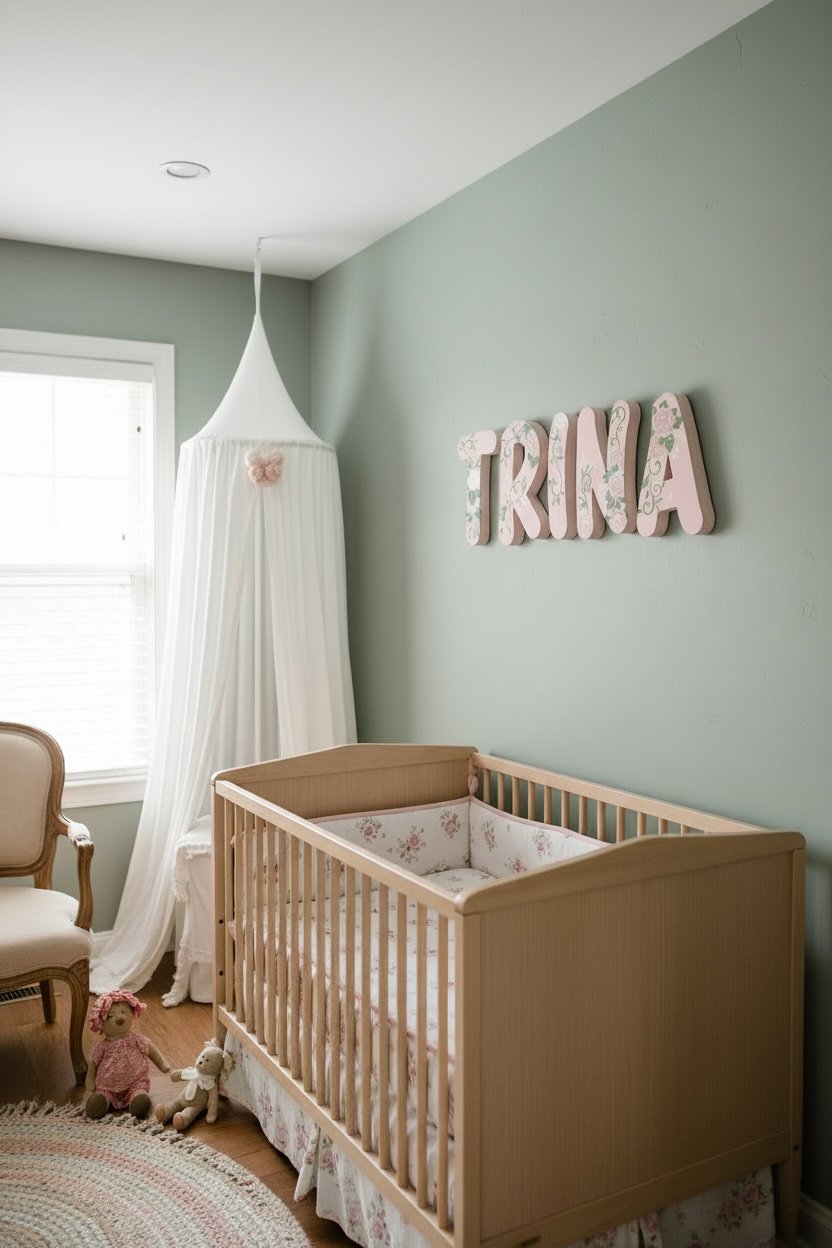
- Hand-painted wooden letters and similar pieces: Commonly one to three weeks, because paint must be applied in coats, dried between layers, and fully cured before packing. Drying and curing cannot be rushed without risking damage in transit.
Stage 5: Dispatch and Handling
After production, the seller packs the piece and hands it to a carrier. Dispatch itself is usually one to two business days, but some sellers batch shipments on specific days of the week, which can add a few days. Ask whether the seller ships immediately after production or on a set schedule.
Stage 6: Transit and Delivery
Transit depends on destination and carrier:
- Domestic standard shipping: Commonly three to seven business days after dispatch.
- Domestic expedited shipping: Often one to three business days, at a higher cost.
- International shipping: Typically two to six weeks, with customs clearance adding unpredictable delays.
Putting the Stages Together
When a seller says 'two weeks,' ask whether that means two weeks to ship or two weeks to your door. The difference can be two to four additional weeks once proof approval, production, and transit are counted. Working backward from your target date, a baby shower, a due date, or a nursery reveal, is the most reliable planning method.
How to Order Custom Nursery Art and Plan Your Timeline
The ordering process itself is straightforward, but planning around it requires thinking ahead. Start by identifying what you actually need and when you need it.
First, decide on your design. Will you use an existing design the artist offers, or do you need something fully custom?
Next, gather your specifications. If it's a name sign, confirm the exact spelling and any special characters. If it's a themed piece, describe the style you want, boho, modern, whimsical, minimalist.
When you contact the artist or place your order, ask directly: "What's your current timeline?" Don't assume. Artists' schedules change. During busy seasons, timelines stretch. During slower periods, they compress.
Be realistic about your deadline. If your baby arrives in eight weeks, don't order a complex custom piece and hope it arrives in six. Build in a buffer.
For hand-painted wooden letters, orders typically move through a four-week timeline from order to shipment.
Rush Orders and Deadline Planning
Rush orders exist because sometimes life doesn't follow a leisurely timeline. You might have discovered custom nursery art later than planned, or your original order fell through.
Hand Painted Wooden Letters - Custom Nursery Decor Letters - Personalized →
Rush processing typically costs more, and it doesn't always work the way you hope. An artist with a full schedule can't instantly drop everything to prioritize your piece.
Some artists can't accommodate rush requests at all. Others can accelerate certain formats but not others. Digital designs can often be rushed.
If you need a rush order, contact the artist before ordering. Ask what's actually possible. Be specific about your deadline. "I need it ASAP" is vague. "I need it by December 10" is actionable.
Expect to pay a premium for rush processing. It's worth it if you truly need it, but it's not a magic solution. Even rush orders take time because of production realities.
Factors That Delay Custom Nursery Art Orders
Delays happen. Knowing the common culprits helps you avoid them.
The biggest delay factor is slow approval of the proof. If you take two weeks to review your design, that's two weeks added to your timeline.
Revision rounds extend timelines too. One revision is usually expected. Multiple rounds signal that something in the communication broke down. Be as clear as possible in your initial order to minimize revisions.
Artist illness, equipment issues, or unexpected life events can delay orders. This is rare but real. It's one reason ordering with buffer time matters.
Shipping delays are outside the artist's control but still affect your final delivery date. Weather, carrier delays, and customs hold-ups all happen. This is why tracking your shipment matters.
Order complexity also matters. A five-letter name takes longer than a two-letter monogram. A piece with multiple colors takes longer than a single-color design. Custom illustrations take longer than simple lettering.
Verifying Turnaround Estimates Before You Order
A quoted turnaround is only useful if you know what it includes and whether it is current. Use the checklist below to turn a vague estimate into a reliable plan.
The Turnaround Verification Checklist
Ask the seller each of the following questions before you commit:
- What does the quoted timeline include? Confirm whether it covers order processing, design, proof approval, production, dispatch, and transit, or only production. A 'two-week' quote that excludes proof approval and shipping can mean four to six weeks in practice.
- Is the estimate based on the current queue? Ask how many orders are ahead of yours and whether the seller is currently booking out. A timeline quoted during a slow period may not hold during peak season.
- How many revision rounds are included, and how long does each add? Most sellers include one or two rounds. Ask what happens if you need more and how many business days each round adds.
- How quickly will I receive the first proof? This tells you when your own review clock starts. If the seller cannot give a specific window, treat the estimate with caution.
- What is the proof response deadline? Some sellers pause or cancel orders if you do not respond within a set number of days. Know this deadline so you do not accidentally delay your own order.
- When does the item ship after approval? Ask whether dispatch happens immediately after production or on a set shipping day.
- Which carrier and service level are used, and what transit time does the carrier quote? Carrier estimates are separate from the seller's production estimate. Ask for both.
- How are holiday closures and peak seasons handled? Business days exclude weekends and holidays. Confirm which holidays affect the seller's schedule and whether they publish extended seasonal timelines.
Reading Between the Lines
A few patterns are worth watching for. Sellers who quote only production time are not necessarily misleading, they may simply assume buyers understand that shipping is separate, but you should add transit time yourself. Sellers who cannot give a current queue estimate may be working without a formal production schedule, which makes their timeline less predictable. Sellers who publish a clear seasonal cutoff date for holiday orders are usually more reliable planners than those who quote the same timeline year-round.
Confirming After You Order
Verification does not end at checkout. After placing your order, confirm in writing the expected proof date and the expected ship date. If either passes without an update, a brief check-in is reasonable and often keeps your order visible in the seller's queue. Keep all communication in one thread so you have a record of what was promised.
A Simple Buffer Rule
Whatever total the seller quotes, add a buffer of at least one to two weeks for hand-painted or custom-illustrated pieces, and a few extra days for prints. Buffers absorb the most common delays: slow proof responses, additional revision rounds, carrier weather delays, and customs holds on international orders. If your deadline is fixed, a baby shower date, for example, order as early as the seller's queue allows rather than as late as you think you can get away with.
Frequently Asked Questions
How long does custom nursery art take to make?
Custom nursery art typically takes 4 weeks from order placement to shipment, though this varies by artist, design complexity, and customization requests. Hand-painted pieces like wooden letters generally follow this timeline. The full delivery window, including shipping, depends on your location and the carrier used. Always confirm the specific production schedule with your seller before ordering, especially if you have a firm deadline.
How far in advance should I order personalized nursery art?
Order at least 6-8 weeks before your due date to account for design approval, production, revisions, and shipping delays. If you're expecting within 3 months, place your order immediately and discuss your timeline with the artist. Many handcrafted pieces require 4 weeks minimum production time alone, so building in buffer weeks protects you from last-minute stress.
Does the turnaround time include shipping?
No, turnaround time typically refers only to production and design approval. Shipping time is separate and depends on your location and the carrier. A 4-week production timeline means 4 weeks until the item ships; delivery then takes additional days or weeks. Always ask sellers to break down production time and estimated shipping time separately so you know the true delivery date.
What can delay a custom nursery art order?
Common delays include slow proof approval from the customer, multiple revision rounds, design complexity requiring extra work, and artist schedule constraints during peak seasons. Seasonal demand (spring and summer) can extend timelines. Shipping delays also occur during holidays or with international orders. Communicate your deadline upfront and respond quickly to proof approvals to keep your order on track.