


Table of Contents
- Why Nursery Decor That Grows With Your Child Matters
- Choosing Timeless Nursery Decor Ideas
- Flexible Nursery Furniture That Adapts
- Nursery Wall Decor Ideas That Evolve
- Planning Your Transition From Nursery to Toddler Room
- Practical Shopping Checklist for Nursery Decor That Grows
- Budget and Cost of Ownership
- Frequently Asked Questions
Last Updated: October 11, 2026
Why Nursery Decor That Grows With Your Child Matters
Creating a nursery is exciting. That's why nursery decor that grows with child is the smarter approach.
Nursery decor that grows with child solves this problem entirely. Instead of redesigning every few years, you build a foundation that evolves naturally as your child ages.
This matters because a child's room isn't just decoration. It's where they sleep, play, imagine, and grow.
The best part? Building a room that grows with your child isn't harder than designing a temporary nursery. It just requires a different approach from the start.
Choosing Timeless Nursery Decor Ideas
The foundation of any nursery that grows is timeless design. Timeless doesn't mean boring. It means choosing elements that feel fresh at every stage of childhood, not just the first year.
Start by thinking long-term. A room designed only for a newborn will feel dated by age two. A room designed for a five-year-old feels too mature for a baby.
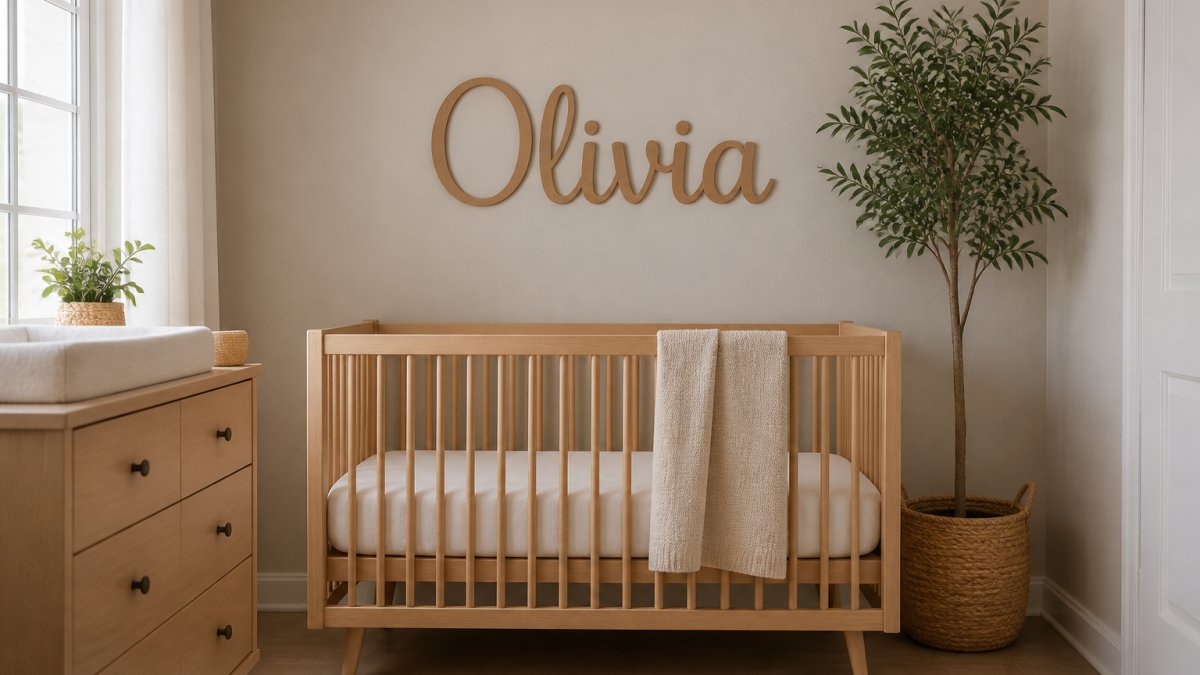
Neutral Color Palettes That Transition
Neutral colors are the secret weapon of rooms that grow with your child. Soft whites, warm grays, creams, and muted beiges work beautifully in a nursery.
Here's why this matters: bright primary colors feel playful for a baby but often feel babyish by age four.
Think of neutrals as the canvas. The colors that change are the accessories: bedding, art, storage bins, and wall decor.
Best neutral options for nursery walls:
- Soft whites and creams (timeless, bright, works with any accent color)
- Warm grays (sophisticated, calming, hides dust and marks)
- Warm beiges (cozy, natural, pairs well with wood furniture)
- Soft greens (calming, nature-inspired, grows with the child)
The key is choosing muted tones over bright or saturated versions. Muted colors feel intentional and calm rather than temporary.
Wood and Natural Materials as the Foundation
Natural materials age beautifully. Wood furniture, wooden wall letters, and natural textiles don't feel trendy, they feel timeless.
Wood is also practical. A wooden crib works for a baby. It can become a toddler bed, then a regular bed. Wooden shelving works in every stage of childhood. Natural wood tones pair with any color scheme you add later.
When you choose natural materials, you're investing in something that looks better as it ages, not worse. A wooden dresser gets character. A wooden name sign becomes a cherished keepsake. These pieces tell a story.

Why natural materials work for rooms that grow:
- Wood furniture adapts to different room styles (modern, boho, traditional)
- Natural textures stay relevant through all ages
- Quality wood pieces last through multiple children
- They pair well with any color scheme you introduce later
Flexible Nursery Furniture That Adapts
The furniture you choose determines whether your child's room can actually evolve. Rigid, single-purpose pieces become obstacles. Flexible, multi-purpose furniture becomes the foundation.
Convertible Cribs and Beds
A convertible crib is one of the smartest investments for a room that grows. These cribs convert from bassinette to full-size crib to toddler bed to day bed, sometimes even to a full-size bed.
This matters because it keeps the room's focal point consistent. Your child's bed doesn't change; it just transforms. The wall decor and accessories around it can evolve completely, but the bed anchors the space.
When you're ready to transition from crib to toddler bed, you're not replacing furniture, you're removing a rail. This continuity helps children feel secure through developmental changes.
What to look for in convertible furniture:
- Sturdy construction that lasts through multiple configurations
- Hardware included for all conversion stages
- Neutral finish that works with changing decor
- Enough floor space for the final bed size
Multi-Purpose Storage and Shelving
Storage that serves multiple purposes keeps your room flexible. Open shelving works in a nursery (for baskets of diapers and toys) and in a ten-year-old's room (for books, collections, and display items).
The same shelving unit holds different things at different ages. A basket that holds baby supplies becomes a toy bin, then a storage solution for art supplies or books. This flexibility means you're not replacing furniture, you're repurposing it.
Storage that grows with your child:
- Open wooden shelving (works at every age)
- Labeled baskets (easy to relabel as needs change)
- Dressers with adjustable shelving (adapts to different items)
- Under-bed storage (invisible but functional)
Nursery Wall Decor Ideas That Evolve
Wall decor is where most nurseries fail to grow. Parents hang baby-specific artwork, wall decals, and themes that feel dated within a couple of years. Then the whole room feels like it needs replacing.
The solution is choosing wall decor that evolves with your child's interests and developmental stage.
Interchangeable Wall Art and Personalized Name Signs
Personalized wall art is the anchor of a room that grows. A child's name doesn't change. A beautiful name sign works in a nursery, a toddler room, and a big-kid bedroom.

This is where handcrafted pieces make a difference. A custom painted wood name sign becomes a keepsake. It's not a temporary decoration, it's a permanent part of your child's room that they'll remember forever.
Pair a personalized name sign with interchangeable art. Instead of one large themed mural, use smaller pieces you can swap out. A storybook-inspired print works beautifully in a nursery.
How to use interchangeable wall art:
- Start with a personalized name sign as the focal point
- Add 2-3 smaller framed prints that can be rotated
- Use the same frames and keep the wall layout consistent
- Update the art as your child's interests evolve
Wallpaper, Wall Decals, and Removable Options
If you want pattern or texture on your walls, choose removable options. Peel-and-stick wallpaper and wall decals let you add visual interest without permanent commitment.
Removable wallpaper works beautifully for one wall, an accent wall behind the crib or above a changing table. As your child grows, you can remove it and paint that wall a new color or add different decals.
Stained Wood Wall Nursery Room Letters - Natural →
Wall decals offer the same flexibility. They stick to walls without damage and peel off cleanly. You can change them seasonally or whenever your child's interests shift.
Removable wall options that work across ages:
- Peel-and-stick wallpaper in neutral or subtle patterns
- Wall decals with removable adhesive
- Fabric wall hangings that can be swapped out
- Canvas banners with interchangeable designs
Planning Your Transition From Nursery to Toddler Room
The transition from nursery to toddler room is when most rooms fall apart. Parents suddenly realize their baby-focused design doesn't work for a mobile, curious child. Everything feels wrong.
Planning this transition from the start prevents that crisis. You're not redesigning, you're evolving.
Age-by-Age Transition Checklist
Think of your child's room in stages. Each stage has different needs, but the foundation stays the same.
Birth to 12 months (Nursery stage):
- Focus on soft colors, calming textures, and a peaceful atmosphere
- Keep the room uncluttered and functional for nighttime care
- Add personalized touches (name signs, soft artwork)
- Choose furniture that will convert or adapt
12 to 24 months (Early toddler stage):
- Add interactive elements (low shelves they can reach, soft storage)
- Introduce color through accessories rather than walls
- Keep wall decor simple and safe
- Maintain the calm foundation
2 to 4 years (Toddler stage):
- Add more personality through wall art and decor
- Introduce their interests (animals, nature, favorite stories)
- Keep safety a priority (secure shelving, soft edges)
- Refresh accessories while keeping core furniture
4 to 8 years (Big-kid stage):
- Let their personality shine through wall art and decor
- Add storage for toys, books, and collections
- Introduce their hobbies and interests
- Keep the room functional for play and sleep
8+ years (Child's room):
- Shift toward their aesthetic preferences
- Add homework or creative space
- Display their interests and achievements
- Maintain a calm foundation for sleep
What to Update and What to Keep
The art of a room that grows is knowing what to refresh and what to keep.
Keep these elements:
- Wall color (neutral foundation)
- Core furniture (bed, dresser, shelving)
- Personalized name signs and keepsake art
- Natural materials and textures
- Room layout and functional design
Update these elements:
- Bedding and soft textiles
- Smaller wall art and decor
- Storage solutions and organization
- Lighting (as their needs change)
- Accessories and decorative items
This approach means you're refreshing the room's personality without rebuilding it. Your child sees continuity. You're not throwing away furniture and starting over.
Practical Shopping Checklist for Nursery Decor That Grows
When you're building a room that grows with your child, intentional choices matter. Here's what to prioritize.
Foundation elements (buy first):
- Convertible crib or bed frame in neutral wood finish
- Dresser with adjustable shelving or baskets
- Open shelving for storage and display
- Neutral wall paint (soft white, warm gray, or soft beige)
- Quality mattress and bedding in neutral colors
Wall decor (personalization):
- Personalized name sign in natural wood or painted finish
- 2-3 interchangeable framed prints (start with soft colors)
- Removable wallpaper or wall decals for one accent area
- Fabric banner or canvas art that reflects your style
Textiles and soft elements:

- Soft throw blanket for the chair or bed
- Area rug in neutral tone (defines the space)
- Curtains in light-blocking fabric (functional and stylish)
- Decorative pillows you can swap out as the child grows
Lighting:
- Overhead light with dimmer switch
- Soft nightlight for nighttime care
- Adjustable lamp for reading (as they grow)
Accessories (start minimal):
- Small basket for storage (can be relabeled)
- Simple wall clock (functional art)
- One or two decorative objects that match your style
Budget and Cost of Ownership
Building a room that grows with your child is actually more cost-effective than redesigning every few years.
A convertible crib costs more upfront than a basic crib.
The same logic applies to furniture and wall decor. Quality pieces that adapt cost more initially but last longer and serve multiple purposes.
Where to invest:
- Convertible furniture (bed, dresser, shelving)
- Personalized wall art and name signs
- Quality natural materials
- Timeless pieces you'll love long-term
Where to save:
- Bedding and soft textiles (easy to replace)
- Smaller wall art (can be swapped out)
- Accessories and decorative items
- Trendy elements (keep these minimal)
Over five years, a room built to grow costs less than redesigning twice. You're making fewer purchases overall because you're not replacing core furniture.
Creating a nursery that grows with your child transforms how you think about your child's space.
Frequently Asked Questions
What nursery decor can grow with a child from newborn to age 10?
Neutral colors, natural wood finishes, and personalized wall art like painted wood letters are the foundation. Choose adaptable furniture such as convertible cribs that transform into toddler beds, and select wall decor that can be refreshed without major changes. Soft textures and simple themes allow you to layer new elements as your child ages, keeping the room feeling fresh while maintaining the core design your child loves.
How do you design a nursery that works for both a baby and a toddler?
Start with flexible nursery furniture that serves multiple purposes: a crib that converts to a toddler bed, storage that grows from diaper changing to toy organization, and shelving that displays both infant toys and books. Keep wall colors muted and timeless, then refresh with interchangeable wall art and decals as your child develops. This approach means you're not redesigning the entire room, just evolving key elements to match your child's interests and needs.
Can handcrafted painted wood letters work in a modern or minimal nursery?
Absolutely. Painted wood letters in natural wood stains or soft, muted tones complement minimal and modern design perfectly. Choose stained wood finishes like natural or light oak, or opt for hand-painted letters in neutral colors that blend with clean lines and simple palettes. The key is selecting designs that emphasize elegance and simplicity over busy patterns, allowing the personalization to enhance rather than compete with your modern aesthetic.
How long do quality nursery decor pieces like painted wood letters actually last?
Handcrafted painted wood letters made from sturdy materials like 1/2-inch or 3/4-inch thick wood are designed to last for years. Quality pieces with durable finishes can transition from nursery to toddler room to big-kid room without showing wear. Proper installation and occasional dusting keep them looking fresh. Many parents find that well-made pieces become cherished keepsakes that survive multiple children or can be passed down, making them a worthwhile investment.