

Last Updated: October 23, 2026
Quick Summary
To avoid cluttered nurseries, keep only items you use daily in the first year, remove duplicates and outgrown belongings, and create designated homes for everything with clear labels. This approach reduces visual distractions, makes daily tasks faster, and supports better sleep for your baby.
- Remove items you don't use in the first year and store future-size clothes and toys elsewhere until relevant.
- Grouping identical items and removing duplicates often eliminates 30-40% of nursery clutter without losing necessities.
- Use vertical wall storage, under-crib bins, and closet organizers to maximize space without visible clutter.
- Establish a five-minute daily reset routine to return toys, clothes, and supplies to their labeled homes.
- Rotate toys and clothes every two to three months as your child grows to keep the space focused and calm.
Table of Contents
- Why Clutter in Nurseries Matters More Than You Think
- Nursery Decluttering Tips: Start With What You Really Need
- Small Nursery Storage Ideas That Maximize Your Space
- Create Designated Homes for Every Item
- Nursery Organization Ideas for Age and Stage Growth
- Gender-Neutral Nursery Decor That Grows With Your Child
- Design Your Nursery Layout to Reduce Distractions
- Maintain Your Clutter-Free Nursery Long-Term
- Frequently Asked Questions
Why Clutter in Nurseries Matters More Than You Think
A cluttered nursery doesn't just look messy.
At Painted wood letters, we work with parents who want their nurseries to feel intentional and personal.
A calm nursery supports better sleep. It reduces visual distractions. It makes daily tasks faster and safer. And when you design it thoughtfully from the start, maintaining it takes almost no effort.
Nursery Decluttering Tips: Start With What You Really Need
Before you organize anything, decide what actually belongs in the room. This is where most parents get stuck. They keep items "just in case" or hold onto gifts they don't love. The result is a space packed with things nobody uses.
Identify items that serve a daily purpose
Walk through your nursery and ask one question for each item: Do I use this in the first year?
Daily-use items include:
- Diapers and wipes
- Changing supplies
- Sleepwear and daytime clothes
- Blankets and sleep sacks
- Bottles or feeding supplies
- A few comfort toys
Everything else is optional. Decorative items, extra toys, and "future" clothes take up space without adding value right now. You can rotate them in later.
Remove duplicate items and outgrown belongings
Most nurseries contain multiples of things you only need one of. Three white noise machines. Five swaddles when you use two. Four crib sheets when you wash every three days.
Start by grouping identical items. Keep what you actually reach for. Donate or store the rest.
Outgrown items are easier to spot once your child arrives. A newborn doesn't need 12-month clothes or a toddler bed. Store these items elsewhere until they're relevant.
Small Nursery Storage Ideas That Maximize Your Space
Limited square footage doesn't mean limited function. It means being intentional about every inch.
Vertical storage and wall-mounted shelves
Walls are your biggest unused resource. Floating shelves above the changing table hold folded clothes. Shelves beside the crib store books and a few toys.
Vertical storage also creates visual interest. Open shelves let you display a few beautiful items, like handcrafted nursery wall art or a painted wood name sign, without the room feeling crowded.
When choosing shelves, think about what you'll store there. Heavy items need sturdy mounting. Lightweight decor and books work on thinner shelves.
Under-crib and closet organization systems
The space under a crib is perfect for rolling storage bins. Label them clearly: "0-3 Month Clothes," "Backup Supplies," "Seasonal Items." This keeps things accessible without visible clutter.
Closet organization changes as your child grows. For a newborn, you need easy access to current-size clothes and backup supplies. Use shelf dividers to separate sizes.
A simple rod divider can split your closet in half, one side for your child's things, one side for backup supplies or storage.
Create Designated Homes for Every Item
Clutter happens when things don't have a place to live. Your child's socks end up in the changing table drawer. Burp cloths scatter across the room. Toys migrate to every corner.
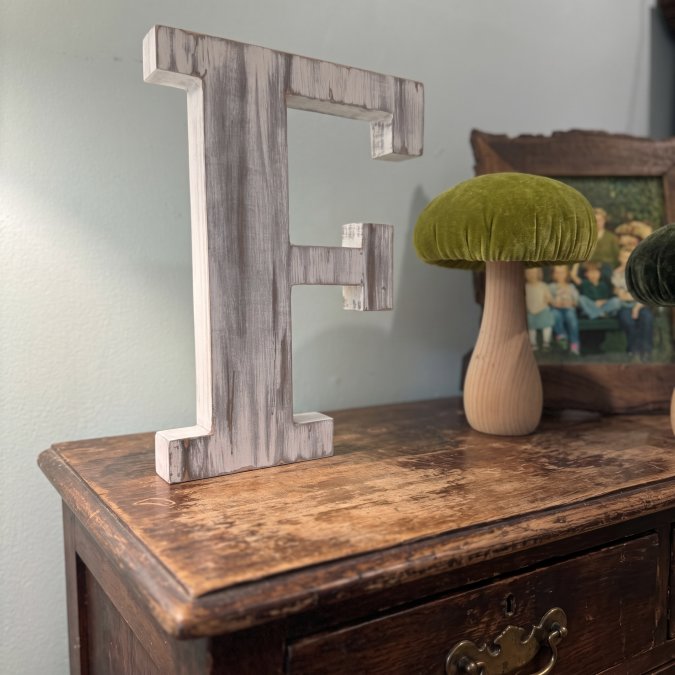
Use bins and labels to group belongings by category
Every item needs a specific home. Bins make this automatic. Use clear or light-colored containers so you can see what's inside without opening them. Label each bin with what goes inside.
Logical groupings work best:
- Feeding supplies in one bin
- Diaper essentials in another
- Burp cloths and bibs together
- Toys by type (soft toys, rattles, books)
Labels matter more than you'd think. When your partner or a family member helps with the baby, they can find what they need instantly. This prevents the "where do the extra diapers go?" conversation that leads to items scattered everywhere.
Establish a daily routine to maintain organization
Five minutes before bed, do a quick reset. Return toys to their bins. Put dirty clothes in the hamper. Return supplies to their labeled homes. This prevents small messes from becoming big clutter over a week.
When something doesn't have a home, it gets placed "temporarily" and never moves again. Prevent this by deciding on homes before you need them. The routine keeps everything in place without feeling like a chore.
Nursery Organization Ideas for Age and Stage Growth
Your nursery will change. A newborn's needs look nothing like a six-month-old's. Planning for these shifts prevents the clutter that comes from keeping items you've outgrown.
Newborn essentials versus items for later months
In the first weeks, you need:
- Current-size diapers and wipes
- Newborn and 0-3 month clothes
- Swaddles and sleep sacks
- Basic toys (high-contrast cards, simple rattles)
Everything else, 3-6 month clothes, larger toys, teething toys, can wait. Store these items in a labeled bin in a closet or under the crib. When your baby grows into them, you'll have space to rotate items in.
This approach keeps your nursery focused. You're not managing clothes in five different sizes. You're not tripping over toys your baby can't use yet. The room stays calm and functional.
Rotating toys and clothes as your child grows
Every two to three months, do a rotation. Swap out clothes your child has outgrown for the next size. Introduce new toys from your stored collection. This gives your baby "new" things without buying more, and it keeps the nursery from feeling overwhelming.
Rotation also prevents decision fatigue. Instead of choosing from 20 toys, your child plays with 5-7 at a time. This simplifies cleanup and makes playtime feel less chaotic.
Gender-Neutral Nursery Decor That Grows With Your Child
The best decor works for a newborn and a five-year-old. Avoid items that feel babyish or heavily themed. Instead, choose pieces that inspire imagination and adapt as your child grows.
Choosing decor pieces that avoid visual clutter
One beautiful, handcrafted name sign works better than five small decorative items. A few quality wall pieces work better than a gallery wall packed with frames. Minimalist decor doesn't mean empty, it means intentional.
Painted wood wall letters and custom name signs are perfect examples. They're personal without being busy. They complement the room instead of overwhelming it. And they grow with your child.
Choose a color palette and stick to it. Two or three colors create cohesion. Too many colors make a space feel chaotic, even if each item is beautiful on its own.
Layering personalized touches without overwhelming the space
Personal touches matter. They make the space feel like it belongs to your child. But layering them takes restraint.
Start with one statement piece, a custom name sign or a handcrafted wall art piece. Add a few smaller touches: a favorite book, a plant in the corner, a soft blanket.
This approach also means your decor choices don't need to match perfectly. A boho aesthetic can coexist with modern lines. Handcrafted pieces can sit beside minimalist shelving.
Design Your Nursery Layout to Reduce Distractions
How you arrange furniture affects how calm the room feels and how functional it is.
Arrange furniture to create calm zones
Divide your nursery into zones: sleeping area, changing area, play area. Each zone should have what it needs without items bleeding into other spaces.
The sleeping area should be the calmest. Keep it clear of toys and busy decor. The changing area needs supplies close by.
This zoning helps your brain process the space as organized. It also makes cleanup faster. Toys belong in one corner, not scattered everywhere.
Keep visual appeal simple and intentional
Bare walls feel cold. Covered walls feel chaotic. The balance is a few beautiful pieces with plenty of space around them.
A single large wall piece, like a custom painted wood name sign, becomes a focal point. It draws the eye without overwhelming the space. Add a small shelf with one or two items.
This approach also means you can change things easily. If you want to add a new piece later, you have room without the space feeling crowded.
Maintain Your Clutter-Free Nursery Long-Term
Keeping a nursery organized requires a system, not constant effort. Small habits prevent the slow creep of clutter that happens over months.
Monthly check-ins and seasonal decluttering
Once a month, spend 15 minutes reviewing what's in the room. Are there items you haven't used? Are toys broken or outgrown? Are there duplicates you can remove?
Every season, do a deeper review. Pull out stored items. Decide what stays and what goes. Rotate clothes and toys.
Seasonal changes also give you a chance to refresh the space. Swap heavy blankets for lighter ones. Rotate wall decor if you want variety.
Managing accumulating items and new gifts
Gifts are where clutter starts. Well-meaning family members send toys, clothes, and decorations. Without a system, these items take over.
Create a "new items" bin. When gifts arrive, put them there instead of immediately adding them to the room.
This approach prevents guilt about not using gifts while protecting your nursery from becoming a storage unit.
A clutter-free nursery isn't about having fewer things. It's about choosing the right things and creating systems that keep them in place.
At Painted wood letters, we believe that thoughtful decor enhances this calm. Handcrafted nursery wall art and custom painted wood name signs add beauty without chaos.
Frequently Asked Questions
How can I keep a nursery from getting cluttered over time?
Establish a simple routine: designate a home for every item, use labeled bins to group belongings by category, and do a quick 10-minute tidy before bedtime. Once a month, remove items your child has outgrown or no longer uses. The key is stopping clutter before it accumulates rather than waiting for a major overhaul. A space where everything in its place becomes easier to maintain as you go.
What nursery items should I actually store elsewhere?
Store off-season clothing, extra bedding, and toys your child hasn't reached developmentally in a closet, under-bed storage, or another room. Keep only what you use weekly in the nursery itself. Seasonal decor, backup supplies, and gifts can live outside the room. This keeps the active space focused on what matters now and reduces visual clutter that causes anxiety or distraction.
How do I choose nursery decor without making the room feel busy?
Select a few high-quality pieces rather than many small ones. Personalized wall art and custom name signs serve as focal points without adding clutter. Vary heights and group items thoughtfully rather than scattering them across walls. Bare walls are fine, they create calm. A well-chosen personalized sign or two, paired with simple furniture, creates visual appeal without overwhelming the space or causing distraction.
How often should I declutter a nursery?
Do a quick sort monthly to remove items your child has outgrown or no longer engages with. Seasonal reviews (every 3-4 months) help you rotate toys and clothing. A deeper declutter twice a year keeps the space from accumulating items that no longer serve a purpose. Regular small efforts prevent the buildup that leads to visual clutter and makes the room feel chaotic.
