

Last Updated: October 23, 2026
Quick Summary
Buying nursery art starts with defining your style and color palette, then selecting appropriately sized pieces that complement your existing furniture and walls. Choose durable materials like framed prints or wood art, decide between custom and ready-made options based on your timeline, and arrange pieces thoughtfully to create a cohesive, calming space that grows with your child.
- Select a timeless color palette and style that won't feel dated within a year or two.
- Size single focal point art to roughly two-thirds the width of the furniture below it.
- Use wall anchors rated for your frame weight and avoid placing art directly above cribs or changing tables.
- Choose artwork with broader appeal rather than heavily baby-focused imagery so it remains relevant as your child grows.
- Mix ready-made and custom pieces to balance budget, timeline, and personal connection to the space.
Table of Contents
- 1. Define Your Nursery's Style and Color Palette
- 2. How to Size Nursery Art Prints for Your Space
- 3. Choosing Nursery Wall Art Materials That Last
- 4. Personalized Nursery Wall Art: Custom vs. Ready-Made
- 5. Nursery Art Placement and Arrangement Strategies
- 6. Safety, Installation, and Long-Term Durability
- 7. Selecting Artwork That Grows With Your Child
- Frequently Asked Questions
1. Define Your Nursery's Style and Color Palette
The foundation of any great nursery begins with a clear vision of style and color. When buying nursery art, step back and think about the feeling you want the space to evoke.
Consider your existing nursery furniture and wall color. A cohesive space doesn't mean matching everything perfectly, it means the pieces feel intentional together. If your walls are soft sage, warm peachy tones, or crisp white, you have flexibility. The art you choose should complement rather than compete with what's already there.
Think about longevity too. Many parents make the mistake of selecting art based purely on baby trends, only to feel tired of the look within a year or two. Instead, choose a color palette and style direction that feels timeless to you. Soft, muted tones tend to age better than neon brights.
Design principles for children's spaces suggest that intentional color selection creates a calming environment. A thoughtful palette, whether it's blues and greens, warm neutrals with coral accents, or pastels with gold, gives your room cohesion and makes adding pieces over time feel natural rather than chaotic.
2. How to Size Nursery Art Prints for Your Space
Getting the scale right transforms a room. Too-small artwork looks lost on a wall, while oversized pieces can overwhelm a compact nursery. The right size depends on your wall space, furniture placement, and how you plan to arrange multiple pieces.
For a single focal point above a dresser or crib, choose a print that's roughly two-thirds the width of the furniture below it. If your dresser is 4 feet wide, a print that's roughly two-thirds the width works well. For larger walls without furniture anchoring the space, consider going bigger to define the room without feeling excessive.
When arranging multiple prints in a gallery wall, start with your largest piece as the anchor and build around it. Mixing sizes creates visual interest, pairing a large 16x20 with two smaller 8x10 prints, for example, feels more dynamic than three identical sizes. Leave consistent spacing between frames, typically 2-3 inches, so the arrangement reads as intentional.
A practical approach many parents use is to sketch the layout on your wall with painter's tape before hanging anything. This takes 10 minutes and prevents the frustration of rearranging after drilling holes.
3. Choosing Nursery Wall Art Materials That Last
The material you choose affects both the look and the longevity of your nursery art. Poster paper, canvas, wood, and framed prints each have different durability profiles and aesthetic qualities.
High-quality poster paper preserves texture and brushstrokes beautifully, giving art a painted feel even in a print. Look for thick cardstock that resists warping and fading. Poster paper works well for most nurseries and offers flexibility in framing options.
Wood art, including custom painted wood letters and signs, brings warmth and durability. Handcrafted pieces like those we create at Painted wood letters are designed to withstand the test of time, maintaining their finish and color through years of nursery life and beyond. The tactile quality of wood adds dimension that flat prints can't match.
Consider the room's humidity level. Bathrooms and rooms near humidifiers need moisture-resistant materials. Poster paper in high-moisture areas should be sealed behind glass. Canvas and wood handle humidity better than unframed paper. If you're in a particularly damp climate, prioritize framed or sealed options.
Each material offers different durability and aesthetic qualities for your nursery.
| Material | Best For | Key Durability Note |
|---|---|---|
| Poster paper | Flexible framing options | Needs glass sealing in high-moisture areas |
| Canvas | Texture and depth | Susceptible to dust, requires gentle cleaning |
| Framed prints | Maximum protection | Best for sticky fingers and spills |
| Wood art | Warmth and longevity | Withstands time and maintains finish |
4. Personalized Nursery Wall Art: Custom vs. Ready-Made
The choice between custom and ready-made art shapes both your budget and the personal connection you feel to the space. Each approach has distinct advantages.
Ready-made art offers immediate gratification. You can see exactly what you're buying, receive it quickly, and swap pieces easily if your taste changes.
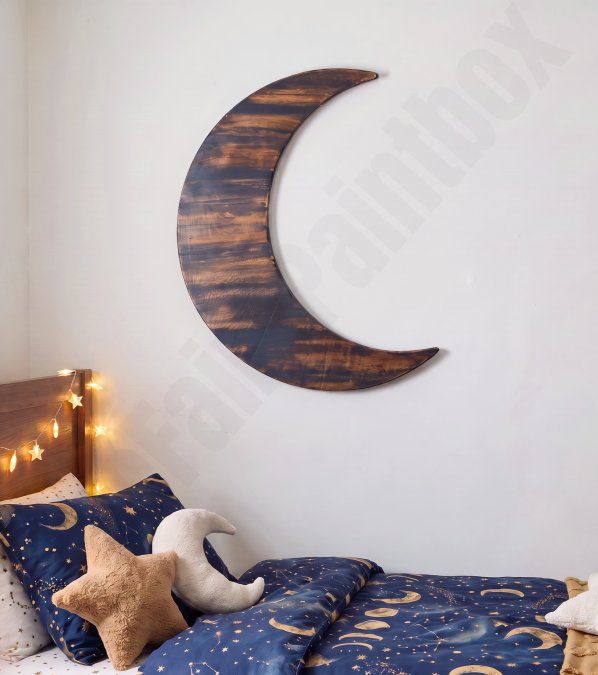
Custom art creates something uniquely yours. Understand typical turnaround times for custom nursery art before making a purchase decision.
At Painted wood letters, we specialize in handcrafted nursery wall art and custom baby name signs that grow with your child. Our painted wood letters and personalized designs let you create a truly one-of-a-kind space that reflects your family's style.
Consider your timeline and budget together. If you're due in three months and need the room finished before arrival, ready-made pieces get you there faster.
5. Nursery Art Placement and Arrangement Strategies
Where you place art matters as much as what you choose. Thoughtful placement creates visual flow and makes the room feel intentional rather than randomly decorated.
Start by identifying your focal points. The wall above the changing table, the area visible from the doorway, and the space above the crib are natural gathering places for art. These high-visibility spots deserve your best pieces. Secondary walls can hold complementary art without overwhelming the space.
Flower Wreath Personalized Baby Name Poster Print (Pink) →
Create balance by distributing visual weight. If you hang a large, bold piece on one wall, balance it with smaller, softer pieces elsewhere. A gallery wall on one side of the room works well if the opposite wall has breathing room.
Height matters more than people realize. Hang art so the center is roughly at eye level when you're standing in the room, typically 57-60 inches from the floor. For pieces above furniture, position them 8-12 inches above the piece for visual connection without looking cramped.
Layering different sizes and styles adds sophistication. Combine framed prints with unframed canvas, or pair wall art with dimensional pieces like wooden letters. This mixing prevents the room from feeling flat or one-note.
6. Safety, Installation, and Long-Term Durability
Installing nursery art safely means using appropriate hardware and securing pieces so they won't shift or fall. This becomes increasingly important as your child grows and becomes mobile.
Use wall anchors rated for the weight of your frames. A single 8x10 framed print needs a different anchor than a large gallery wall. Check the weight of each piece and match it to anchors designed for that load.
Space anchors properly so weight distributes evenly. For a single frame, two anchors positioned in the upper corners prevent tilting. For larger pieces or gallery walls, use more anchors and position them to balance weight across the entire arrangement. This prevents the slow drift that happens when anchors bear uneven load.
Avoid placing art directly above a crib or changing table where a falling frame could cause injury. Instead, position art on adjacent walls or higher up where it's visible but safely out of reach.
Check your installation annually. Vibrations from doors, footsteps, and play can loosen anchors over time. A quick visual inspection ensures pieces remain secure as your child grows and the room becomes more active.
7. Selecting Artwork That Grows With Your Child
The best nursery art doesn't expire when your child turns five. Choosing pieces with staying power means your investment remains relevant for years, not months. Learn strategies for selecting decor that adapts as your child develops.
Avoid heavily baby-focused imagery. While a cute sleeping bunny feels perfect for a newborn, it may feel babyish to a three-year-old and embarrassing to a ten-year-old.
Color palettes matter more than specific characters. Soft sage and cream, warm neutrals with pops of color, or jewel tones work in a nursery and later in a toddler's or child's room.
Personalized pieces like custom name signs actually improve with age. A beautifully crafted wooden name sign with your child's name feels special in the nursery and becomes a cherished keepsake later.
Consider art that tells a story or teaches something. An alphabet print, a map of constellations, or illustrations of animals and their habitats engage children at different developmental stages. A four-year-old points out the letters; a seven-year-old reads them; a teenager appreciates the design.
Buying nursery art is one of those decisions that feels small until you're standing in an empty room trying to create something meaningful.
Frequently Asked Questions
What should I look for when buying nursery art?
When buying nursery art, prioritize quality materials like high-quality poster paper that preserves texture and detail. Look for age-appropriate themes and designs that match your nursery's color palette. Consider whether you want ready-made prints or personalized artwork. Check that artwork coordinates with other decor elements like painted wood letters or name signs. Finally, verify that pieces are safely secured and use proper installation hardware to prevent accidents.
How do I choose the right size nursery art for a wall?
Measure your wall space and consider the furniture placement before selecting a size. Common nursery art sizes vary for smaller, medium, and larger accent walls. A single large print often creates more impact than multiple small pieces. Leave adequate white space around artwork to avoid a cluttered appearance. Consider how the size relates to other wall decor like painted letters or name signs.
Is personalized nursery art a good choice?
Personalized nursery wall art adds sentimental value and creates a unique space that reflects your child's identity. Custom pieces like personalized name prints or painted wood letters make thoughtful keepsakes that can be treasured long after the nursery phase. They also make excellent baby shower gifts. Personalized artwork helps establish a cohesive room design when coordinated with other decor. Many families find that custom pieces justify the investment because they're one-of-a-kind and grow in meaning over time.
What materials are best for nursery wall art?
High-quality poster paper is ideal for nursery prints because it preserves brush strokes and textures while remaining durable. Look for thick cardstock that resists fading and damage. Canvas is another excellent option for longevity. Painted wood pieces, like custom name signs, offer handcrafted durability and can withstand years of use. Avoid materials that easily peel, fade, or deteriorate. Consider how the material complements your nursery's aesthetic, poster paper works for modern or whimsical themes, while painted wood adds warmth and artisanal appeal.
How can I make sure nursery art is safe to hang?
Use proper wall anchors and hardware rated for the weight of your artwork. Secure all pieces firmly so they cannot fall if bumped or pulled. Keep artwork out of reach of climbing toddlers by mounting it higher on the wall. Avoid hanging heavy frames directly above the crib or changing table. Use level tools to ensure pieces are straight and stable. If using custom painted wood letters or name signs, verify they're securely fastened with quality mounting hardware designed for wall decor.
How do I know if nursery art will look good together in my room?
Start by selecting a cohesive color palette, choose artwork that shares 2-3 dominant colors. Consider how different pieces relate in theme and style; mixing whimsical illustrations with modern designs can feel disjointed. Coordinate your main art prints with complementary decor like painted wood letters or name signs that share similar colors or themes. Lay out pieces on the floor first to visualize the arrangement before hanging. Many families find that curating pieces from the same artist or collection ensures visual harmony throughout the room.
Should nursery art be designed to grow with my child?
Choosing artwork that transcends babyish themes offers long-term value. Select pieces with sophisticated color palettes, timeless illustrations, or inspirational themes rather than strictly age-specific imagery. Personalized artwork like custom name signs or monogram prints age well because they celebrate your child's identity rather than a fleeting developmental stage. This approach means your investment continues to feel relevant as your child grows from infant to toddler to school-age child, reducing the need for frequent redecoration.
